Future planning
Environmental, Social & Governance (ESG)
Environmental, Social & Governance (ESG)
Environmental, Social& Governance (ESG)
ENVRONMENTAL
ENVRONMENTAL
ENVRONMENTAL
Includes the energy our company takes in and the waste it discharges. It includes carbon emissions and climate change.
SOCIAL
SOCIAL
SOCIAL
Addresses the relationships our company has in business and includes labour relations, diversity and inclusion.
GOVERNANCE
GOVERNANCE
GOVERNANCE
These are the practices and procedures our company uses to govern itself, make effective decisions, comply with the law.
Together these form the bases to increase growth, reduce costs, increase productivity, and optimise capital expenditure. As member farmers, who better to know the importance of nature and the environment.
PURPOSE
To continue to be a sustainable company with a clear purpose to safeguard our company’s long-term success. To show what we do and want we would like to do for the good of us and others in a simplified manor to expedite implementation.
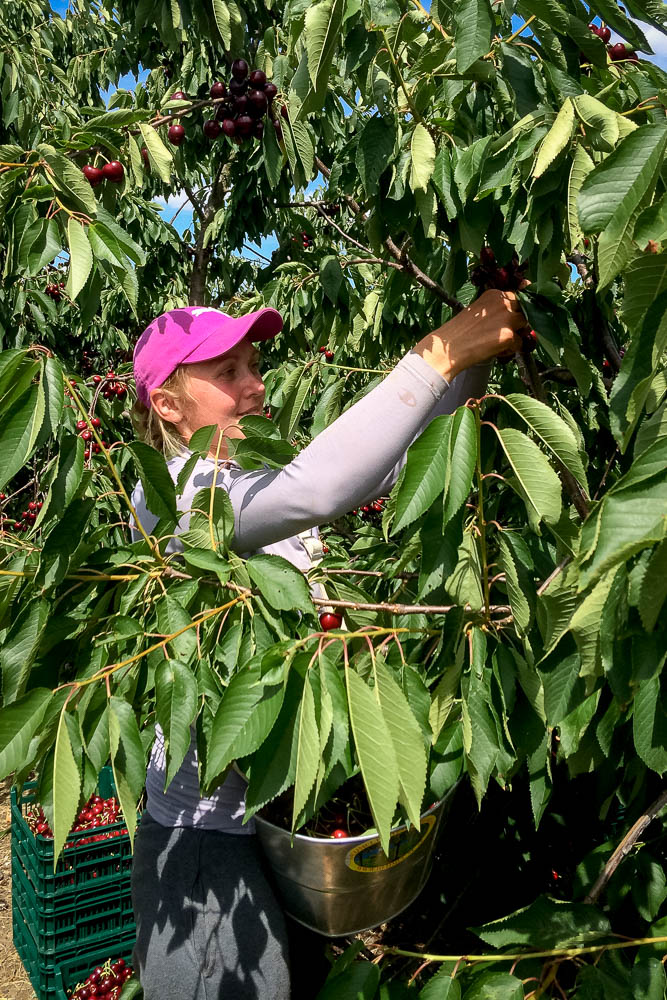
We are a Co-operative and Producer Organisation, with the principal aim of marketing quality English top fruit and stone fruit that is grown by its members. The group works closely, collectively, and collaboratively, pooling their various resources from the point of growing through to harvesting, packing, distribution and supply.
All members sit on the board of directors, and decisions are made on the basis of one member one vote. The board elects a Chairman and Secretary, and members meet regularly to discuss production, marketing, and financial strategy.
BUSINESS OBJECTIVES
Our many objectives are set out in its Articles of Association, Model M Agreement, and grower agreement. In practical terms and for the purposes of this plan, these are taken to be:
- To maintain a viable operation for the benefit of its members.
- To coordinate production and market its members’ top-fruit and stone fruit in order to strengthen its position in the market and achieve best selling prices.
- To centrally coordinate buying of goods and services to enable members to obtain best value.
- To support the effective transfer of knowledge to, and between, members in order that they can operate more effectively and efficiently.
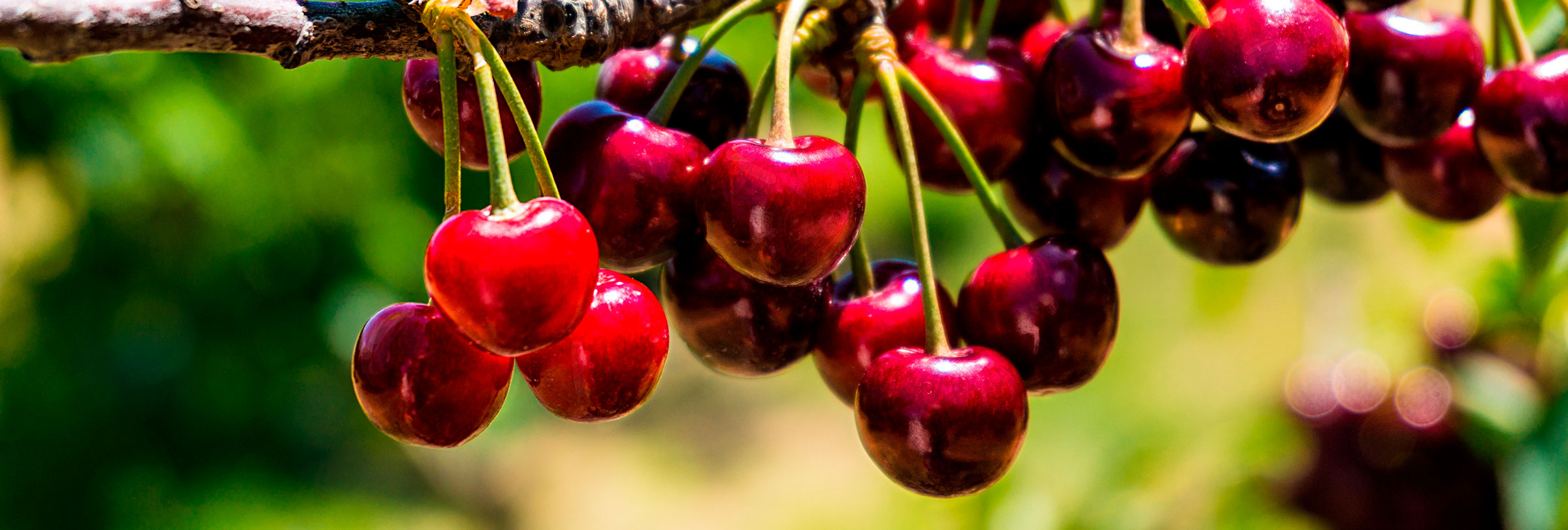
NOW AND PLANNING FOR THE FUTURE
With the ever-increasing pressures to reduce our carbon footprint, reduce greenhouse gases, reduce energy, water consumption and costs, increase our biodiversity and protect the environment, we will continue to try to achieve our goals carefully and methodically. Over the coming years we strive to reach a balance with nature.
SCOPE 1
SCOPE 1
Direct emissions (greenhouse gases) from your own company, controlled or owned by the company, on-sitee.g. vehicles, boilers
SCOPE 2
SCOPE 2
Indirect emissions generated from purchased energye.g. electricity
SCOPE 3
SCOPE 3
Indirect emissions from outside the company, not controlled or owned by the companye.g. distribution, employees commuting, waste generated
The group have risen to the challenges of climate change and environmental pressures, the list is impressive:
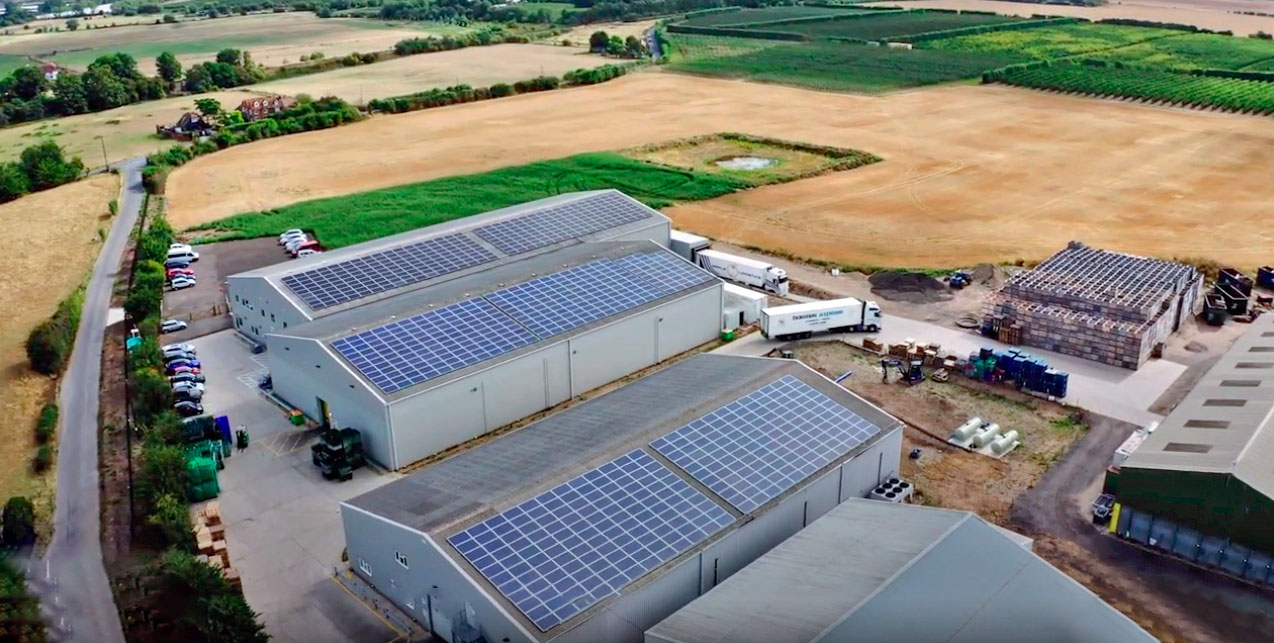
- Solar panels, where possible, have been introduced to help reduce costs and energy consumption from non-renewable sources. Newlands Farm has an array of 80kw, Boormans Farm 25kw and GH Dean & Co (Blackbird Farming) 400kw.
- Solar energy holding batteries installed at Victoria Farm as part of the KCC initiative working with Greenwich University.
- Precision water use (trickle irrigation) to minimize water usage in the field.
- Winter fill reservoirs from streams, ditches, and boreholes.
- Water capture/rainwater harvesting to also fill reservoirs. Newlands Farm captures over 700,000 litres of rainwater which can enable them to use 100% rainwater most years.
- Recycling waste management. Items are sent to specialist recycling companies.
- Victoria/Boormans Farm has increased its solar array by a further 90kw.
- In 2024-25, two new orchards of ‘Magic Star’ 20,000 trees planted on Boormans Farm. Also a further 2.2 hectares of SF118 Jazz, 6500 trees at Newlands Farm.
New trials for 2025 onwards:
R&D: POME (Precision Orchard Management for the Environment)
A research project focussed on developing technology that will allow orchards to be treated on an individual tree by tree basis. This will allow production efficiency and yield increases whilst minimising inputs. We will be the first farm to commercially trail the prototype variable rate sprayer. The project is led by NIAB and co-funded by Innovate UK, DEFRA and other commercial partners.
RestPoll
This is a Europe wide project looking at the restoration of pollinators in orchards. We are working with the University of Reading to investigate the impact of wildflower strips on natural pollinator populations within our orchards. This will provide us with information on how to best manage our farm to encourage beneficial insects.
Landseer and Hutchinson
Continuing trials with Landseer and Hutchinsons on Victoria Farm to reduce chemical use when controlling Codling Moth.
Nottingham and Bristol University
Nottingham and Bristol University research and development into sustainable farming including routes to market to reduce waste.
…within ABB progress never stops.
- Reed bed biomass and bio-bed areas - for cleaning off sprayers. The reedbed provides an area where chemicals are broken down and rendered harmless by a reedbed’s rhizosphere (rootzone).
- Re-useable crates are used whenever possible.
- Recycled, recyclable and biodegradable packaging used where possible.
- More energy efficient lighting has been introduced such as LED lighting. When possible, natural light is used.
- Introducing lighting controls such as timers and motion sensors.
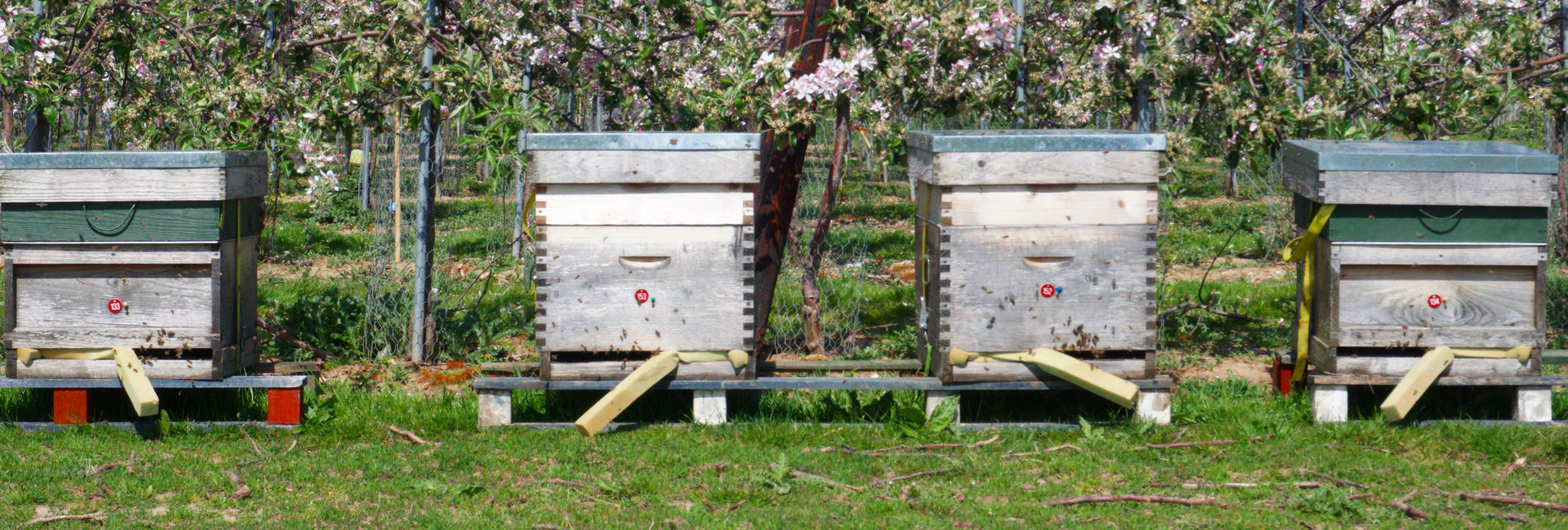
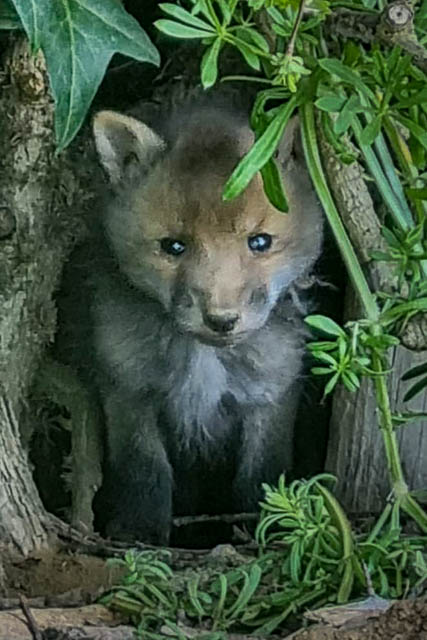
- As farmers we are only too aware of nature, so we help the bees and insects by having dedicated areas for wildflowers, as well as within the tree strips, and next to hedgerows. Biodiversity and habitat creation is a high priority.
- Grass cutting times are kept to a minimum especially near blossom.
- Bird boxes - maintained and monitored.
- Quiet areas.
- Reed bed biomass and bio-bed areas - for cleaning off sprayers. The reedbed provides an area where chemicals are broken down and rendered harmless by a reedbed’s rhizosphere (rootzone).
- Re-useable crates are used whenever possible.
- Recycled, recyclable and biodegradable packaging used where possible.
- More energy efficient lighting has been introduced such as LED lighting. When possible, natural light is used.
- Introducing lighting controls such as timers and motion sensors.
- As farmers we are only too aware of nature, so we help the bees and insects by having dedicated areas for wildflowers, as well as within the tree strips, and next to hedgerows. Biodiversity and habitat creation is a high priority.
- Grass cutting times are kept to a minimum especially near blossom.
- Bird boxes - maintained and monitored.
- Quiet areas.
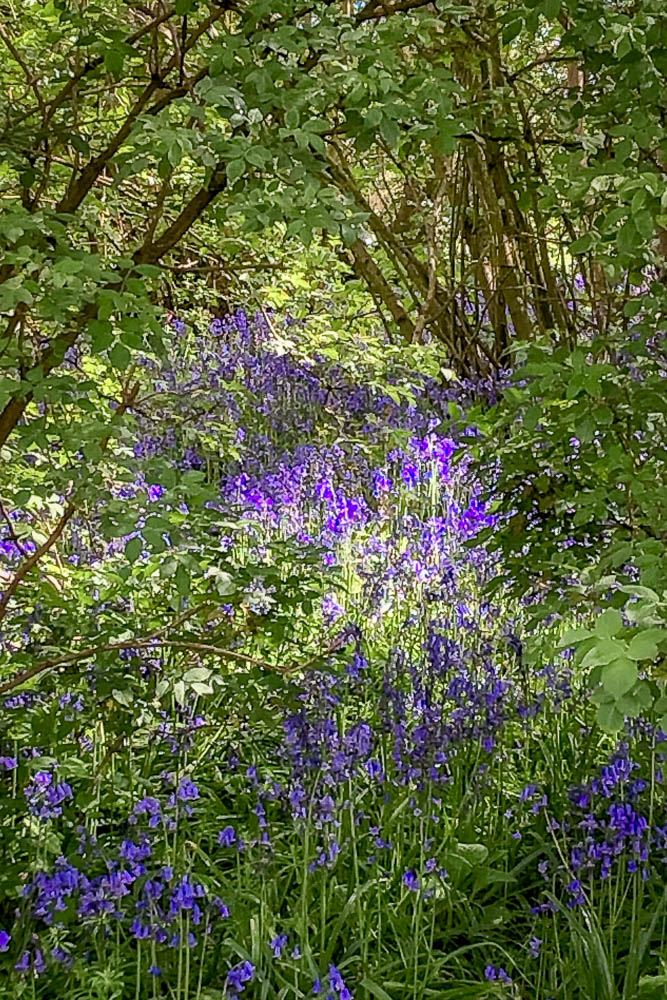
- Windbreaks and maintained native hedgerows to create habitat corridors. No hedge cutting until well after breeding times.
- Woodland areas created or maintained for wildlife.
- Machinery is kept up to date, fit for purpose and well-maintained. Unnecessary use is avoided
- Precision application of sprays and fertilisers so that it is efficient and helps to reduce waste. The embracing of new technology within the arable business has also provided useful spin-offs to the fruit enterprise with the use of precision farming techniques such as RTK (Real Time Kinematics) to assist with accuracy, variable rate fertiliser applications and planting of new orchards.
- Integrated Pest Management (IPM), use of qualified ergonomists.
- Monitored moth traps, codling, SWD, tortrix all used to reduce spray use.
- Field to farmyards, packhouse and accommodation are on site or local to reduce transport of fruit and employees.
- Optimise logistics for emission reductions, where possible maximise loads or use backhaul.
- Regularly maintained cold stores that are updated to reduce greenhouse gases, new technology such as DCA (Dynamically Controlled Atmosphere) stores built in the last three years at Victoria Farm. The use of environmentally friendly gases to reduce hydrofluoric carbons.
- ELM (Environmental Land Management) trials. Stevens farm is part of the government SFI (Sustainable Farming Initiative) pilot project, helping DEFRA develop the advanced soil scheme for arable and horticulture, in particular looking at building soil carbon through direct drilling, cover crops and use of organic manures.
- Newlands Farm and GH Dean are founder members of the "Swale Farm Cluster". They are drawing up plans to work together to create linked wildlife habitats, understand and manage soils better in arable and fruit situations plus a number of other initiatives.
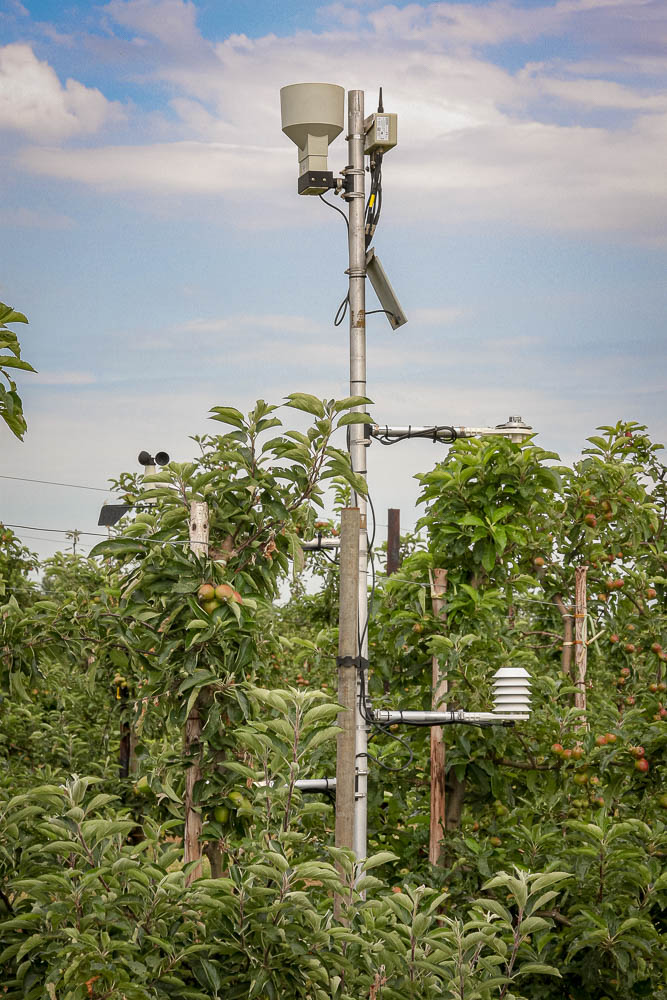
- Weather stations located on several farms to give accurate indications on temperature, rain and shows humidity.
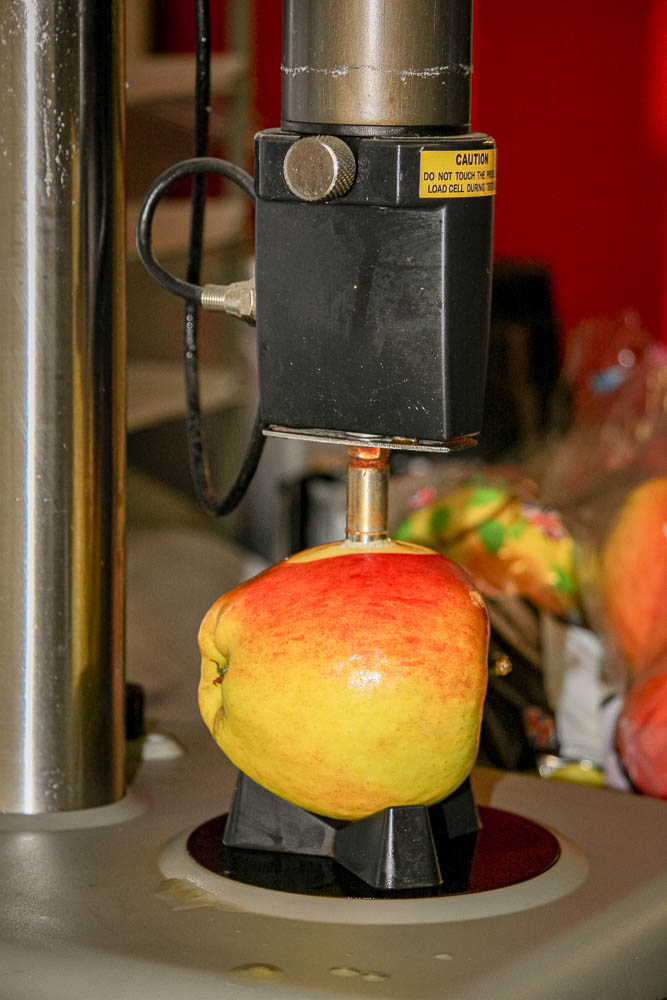
- Optimise logistics for emission reductions, where possible maximise loads or use backhaul.
- Regularly maintained cold stores that are updated to reduce greenhouse gases, new technology such as DCA (Dynamically Controlled Atmosphere) stores built in the last three years at Victoria Farm. The use of environmentally friendly gases to reduce hydrofluoric carbons.
- ELM (Environmental Land Management) trials. Stevens farm is part of the government SFI (Sustainable Farming Initiative) pilot project, helping DEFRA develop the advanced soil scheme for arable and horticulture, in particular looking at building soil carbon through direct drilling, cover crops and use of organic manures.
- Newlands Farm and GH Dean are founder members of the "Swale Farm Cluster". They are drawing up plans to work together to create linked wildlife habitats, understand and manage soils better in arable and fruit situations plus a number of other initiatives.
- Weather stations located on several farms to give accurate indications on temperature, rain and shows humidity.
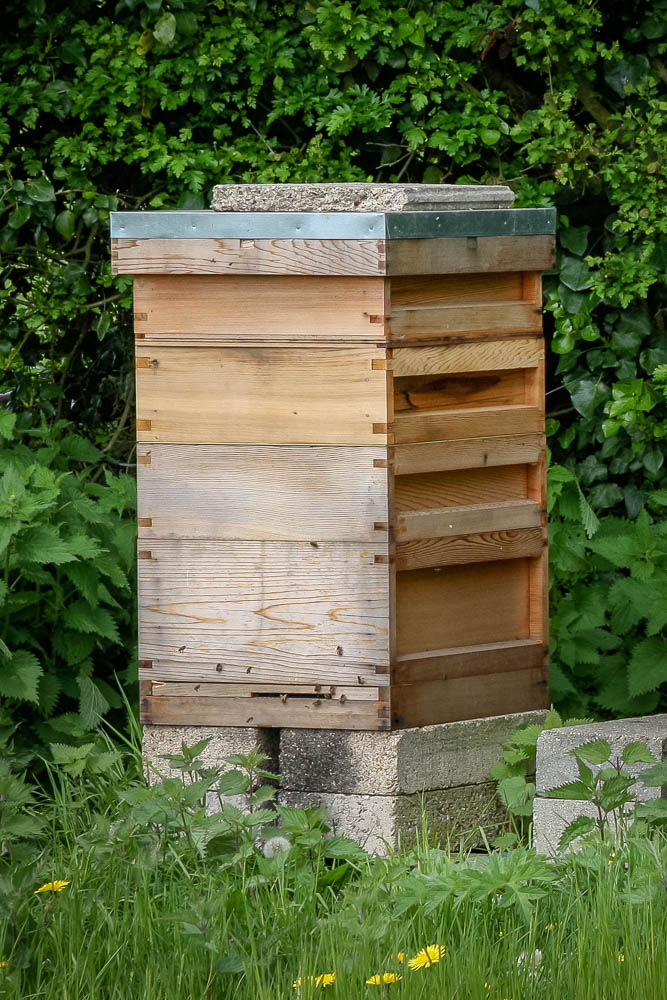
- Moisture probes to monitor and check if and when to irrigate.
- Drones to monitor bud set, predict yields and monitor the growth of the crop to allow for precise applications of nutrients and control pest and disease.
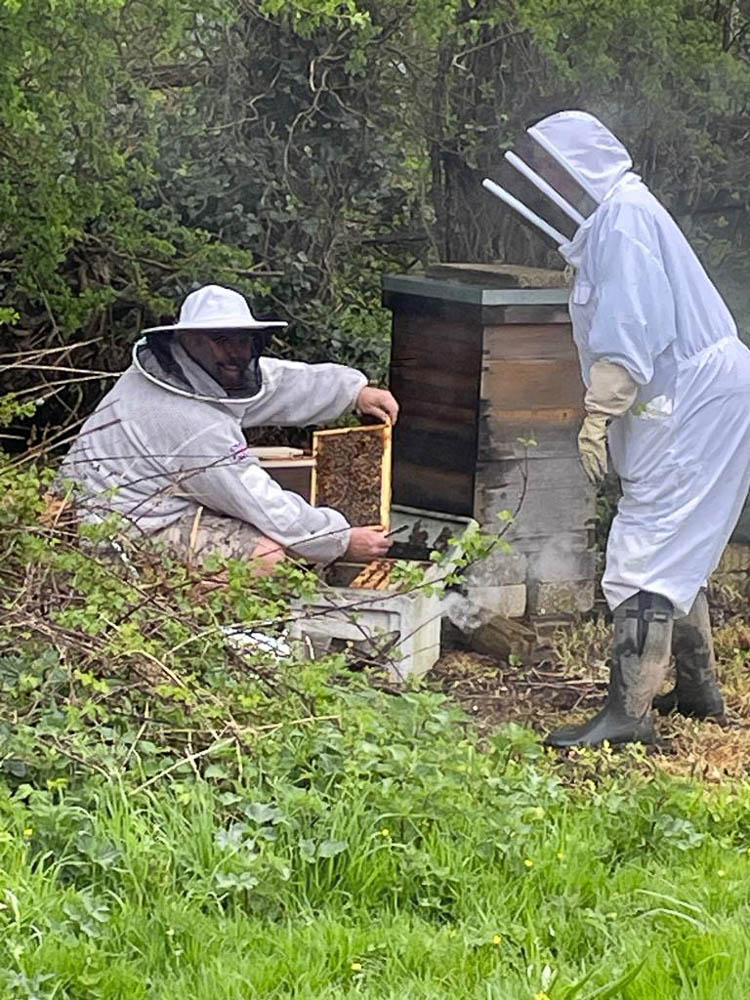
- Growers have been part of the Reading university pollination research project for the past 5 years, looking into bee pollination in top fruit and how to enhance bee numbers at the critical pollination times. Many have attended talks and walks at East Malling Research to understand more about bees, particularly through BEESPOKE.
- Recently several farmers are working together in an initiative called Trees for Farms, which promotes the planting of trees and hedgerows in the Swale area. Run by volunteers, their aim is to link farms with local communities so they can work together to increase habitats and biodiversity in areas local to them. Together they plan to plant approx. 350 metres of mixed native species of hedgerow. These will be cut on a 2-3 year rotation and not cut between March and August to avoid habitat disturbance.
- Several growers are members of BIFGA (British Independent Fruit Growers Association) giving a platform to discuss environmental issues.
- As a co-operative we are very aware that we ensure there is little waste from our main product and try to use every size of apple by requesting specification changes should they be necessary.
- Members also work with "Kent Gleaners" and Fairshare, post-harvest to collect and distribute fruit that might otherwise have been wasted.
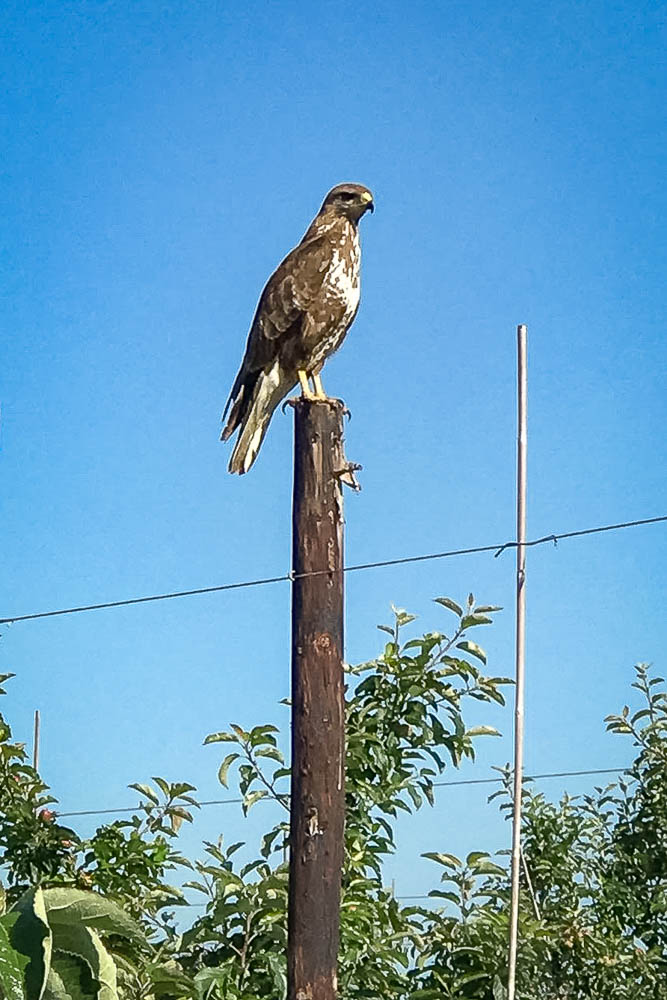
- Several growers are members of BIFGA (British Independent Fruit Growers Association) giving a platform to discuss environmental issues.
- As a co-operative we are very aware that we ensure there is little waste from our main product and try to use every size of apple by requesting specification changes should they be necessary.
- Members also work with "Kent Gleaners" and Fairshare, post-harvest to collect and distribute fruit that might otherwise have been wasted.
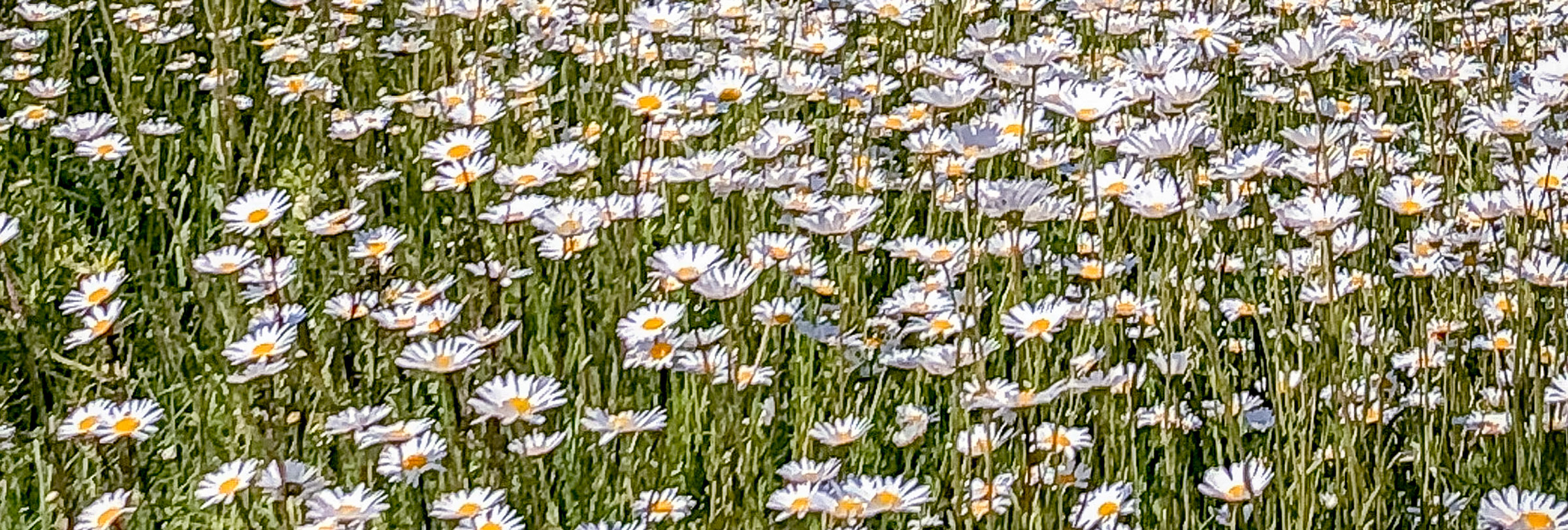
SOCIAL & WORKING ENVIRONMENT including ETHICAL
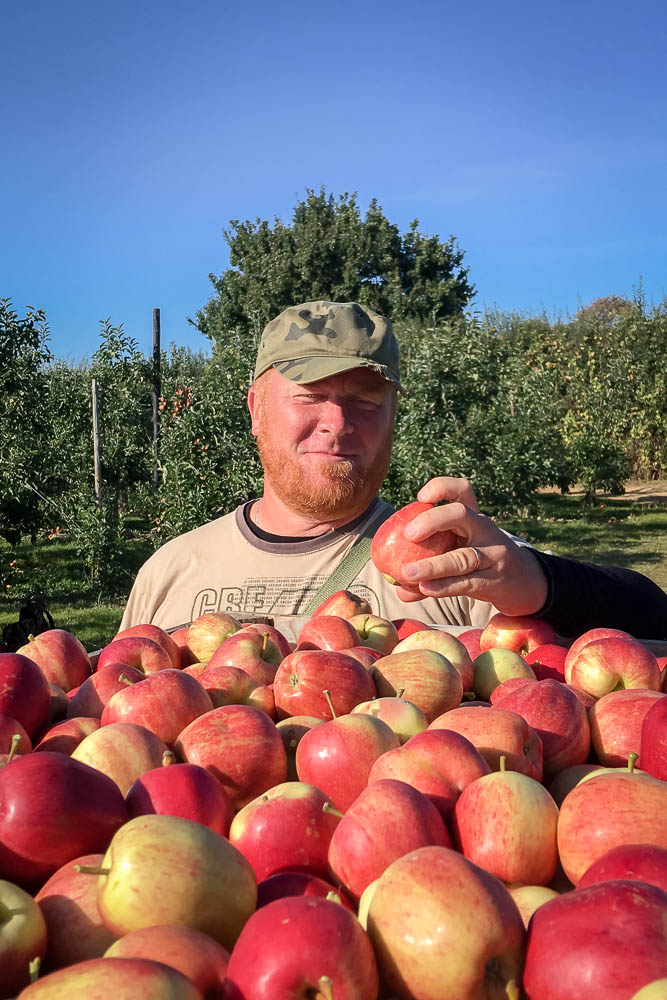
As a farming group we provide a safe working environment. Encompassing good labour relations, diversity, and inclusion. We have many policies to protect all employees:
- Ethical labour standards policy and procedures
- Confidential reporting policy and procedures
- Human Resource Policies guide
- Health and Safety policy
- Equal opportunity and anti-harassment policy
- Child labour policy
- Disciplinary, grievance, and gross misconduct procedures
- Anti-Bribery and Corruption Policy
- Anti-Slavery and human trafficking policy
- Equality and diversity policy
- Whistleblowing policy
- Growers adhere to the Ethical Trading Initiative and ensure the ETI base code is displayed
- Sedex auditing is carried out regularly
- Training
- Employers associate with Stronger Together, with attendance to workshops
- Provide a safe and comfortable working environment
- Provide training
- Information on local areas, buses, trains are provided for employees
- First aiders
- Free weekly trips to the local superstores
- Weekly payment for seasonal labour
- PPE provided when needed
- Local and international employees
- Open culture for communication
- Suggestion boxes
- Safe and rewarding working conditions
- Reporting system for any issues with accommodation
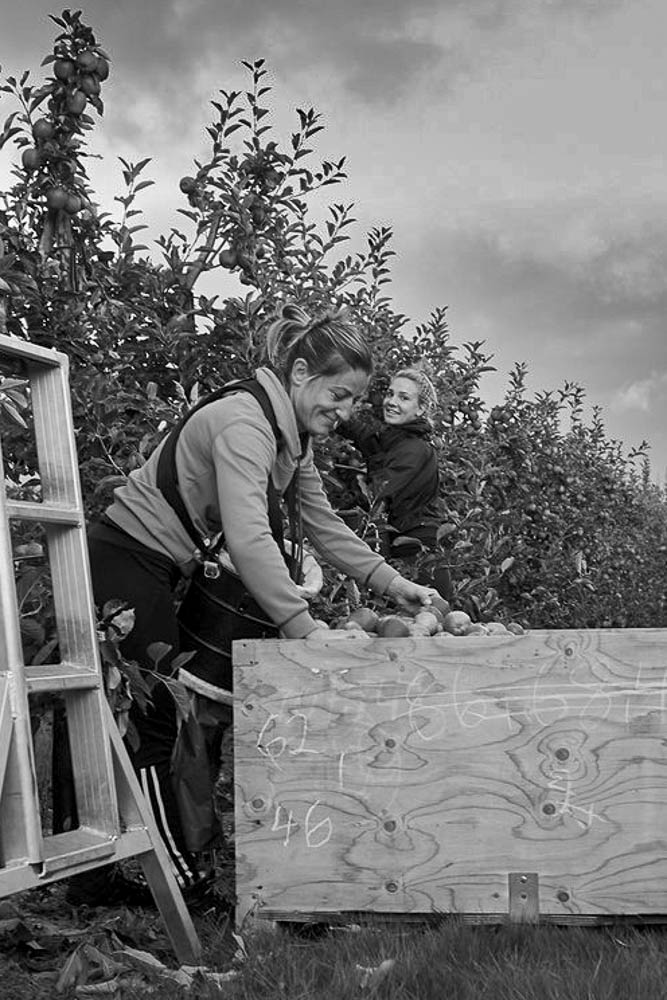
- Employers associate with Stronger Together, with attendance to workshops
- Provide a safe and comfortable working environment
- Provide training
- Information on local areas, buses, trains are provided for employees
- First aiders
- Free weekly trips to the local superstores
- Weekly payment for seasonal labour
- PPE provided when needed
- Local and international employees
- Open culture for communication
- Suggestion boxes
- Safe and rewarding working conditions
- Reporting system for any issues with accommodation
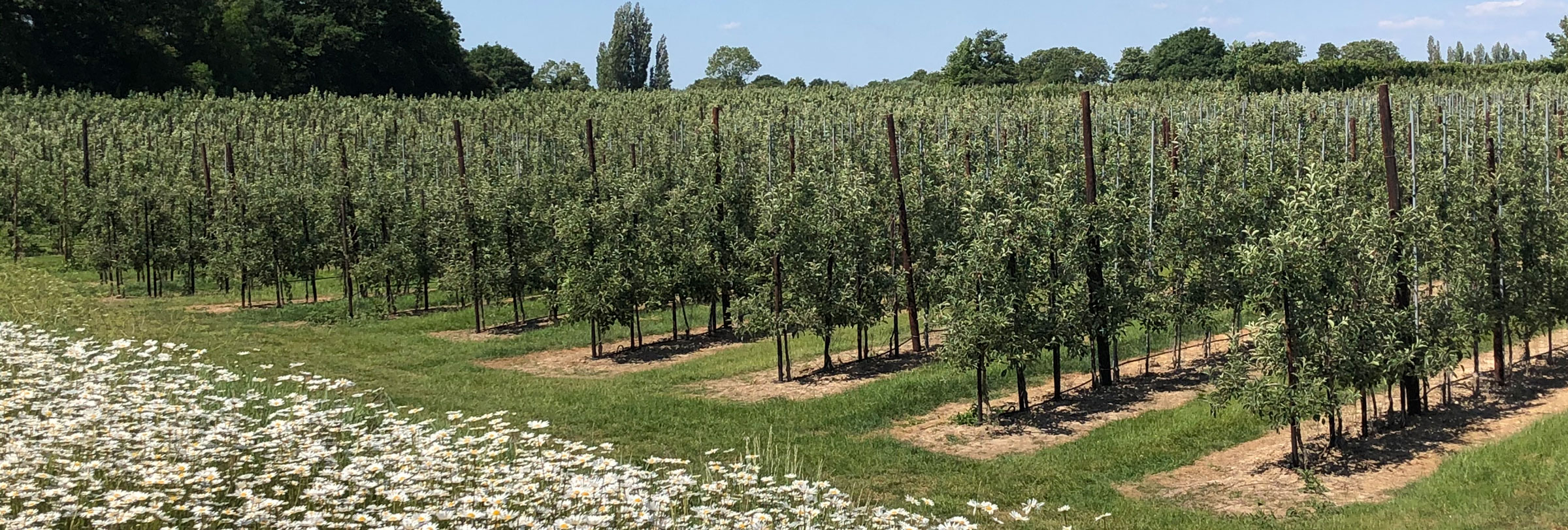














ABB Marketing Ltd © | Tel: 01732 852362 | Email ABB | Privacy Policy | Terms & Conditions | Website by Esquire
ABB Marketing Ltd © | Tel: 01732 852362 | Email ABBPrivacy Policy | Terms & Conditions | Website by Esquire
ABB Marketing Ltd ©
Tel: 01732 852362 | Email ABBPrivacy Policy | Terms & ConditionsWebsite by Esquire